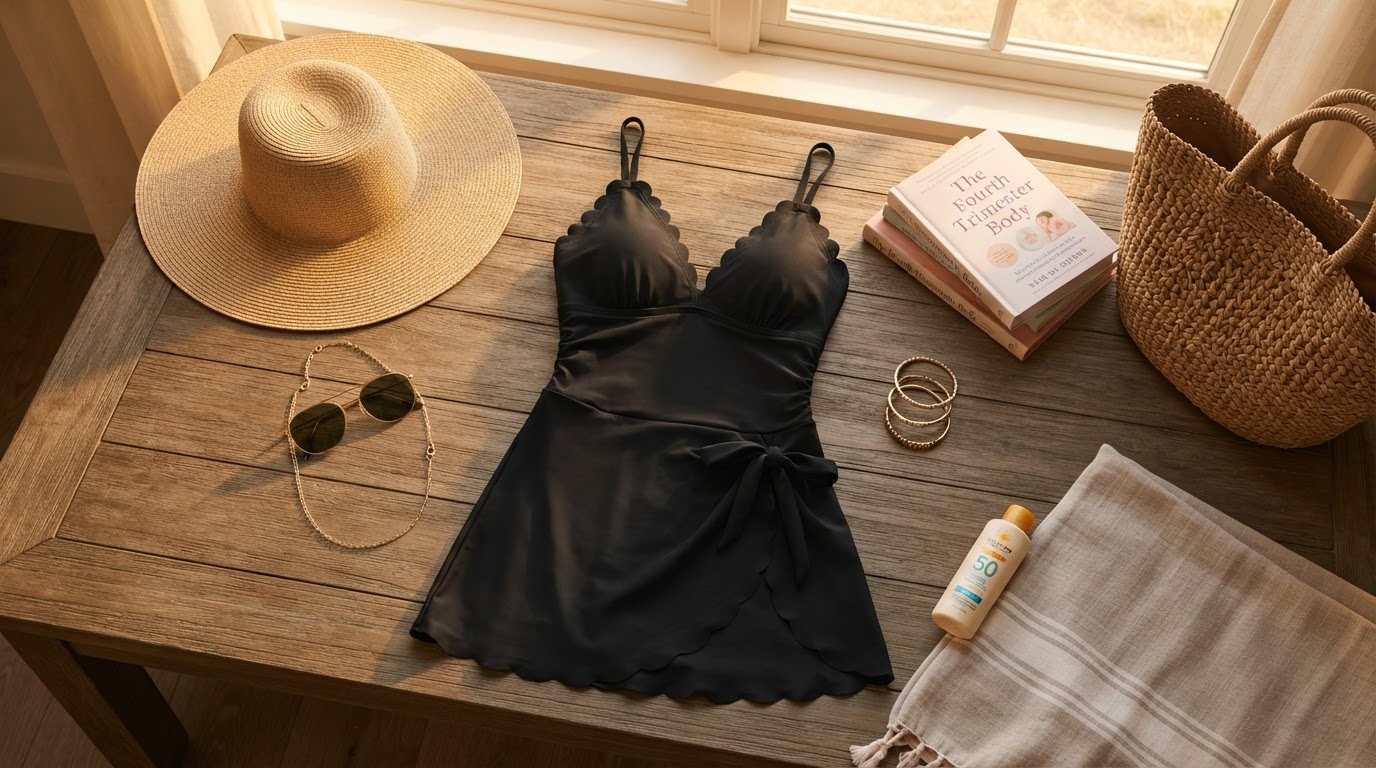
Postpartum Tummy Control Swim Dress Selection Strategies
 Priya RamanSenior Analyst
August 10, 2026. This technical analysis explores the structural requirements of swimwear designed for the postpartum period. It serves as a decision-making framework for new mothers seeking abdominal support without sacrificing mobility or aesthetics.
The Physiological Transition and Swimwear Requirements
Postpartum recovery involves a complex physiological transition where abdominal muscles and skin require varying degrees of support as they return to their pre-pregnancy state. During this period, the choice of swimwear is not merely a stylistic preference but a functional necessity for physical comfort. According to the American College of Obstetricians and Gynecologists, the postpartum period, often referred to as the fourth trimester, involves significant changes in the musculoskeletal system that can persist for months. Consequently, the standard bikini or unstructured one-piece often fails to provide the necessary stabilization for the midsection.
Think of it as a matrix of compression and coverage. The primary challenge for most women is finding a garment that offers enough tension to feel secure during light activity, such as swimming or walking on the beach, while accommodating a body that is still in flux. Traditional swimwear often lacks the reinforced lining required to manage the specific needs of a recovering core. This is where the specialized design of a tummy control swim dress provides a distinct advantage, offering a layered approach to support that single-layer suits cannot replicate. For those prioritizing a classic aesthetic during this transition, a vintage style tummy control swimsuit offers a time-tested silhouette that naturally integrates high-waisted compression panels into its design.
Structural Engineering in Tummy Control Swim Dress Design

Photo by Anna Shvets on Pexels
Two axes matter here: mechanical compression and visual architecture. The effectiveness of a tummy control swim dress relies on the denier of the power-mesh lining used in the abdominal region. Higher denier counts provide firmer control, which is essential for stabilizing the abdominal wall. This mechanical support is often complemented by design elements like a ruched waist swim dress, which uses fabric folds to create a forgiving texture that masks the underlying compression panels. Once you see it this way, the swim dress becomes a piece of functional equipment rather than just seasonal apparel.
Furthermore, the postpartum body requires consideration for breast support and ease of movement. A padded cup modesty swim dress provides the necessary structure for changing bust sizes, ensuring that the garment remains balanced and comfortable throughout the day. For mothers who are reintroducing more vigorous activity into their routine, an athletic [swim dress with built in shorts](/blog/athletic-swim-dress-with-built-in-shorts) offers the highest degree of security, preventing chafing and ensuring the garment stays in place during lap swimming or water aerobics. The integration of shorts also provides a secondary layer of compression for the hips and upper thighs, creating a cohesive support system from the torso down. This multi-layered approach ensures that the wearer feels contained and supported, reducing the physical strain on the lower back and abdominal muscles during the early stages of postpartum recovery.
The Decision Framework for Postpartum Support

Photo by Nick Mayer on Pexels
Selecting the appropriate swimwear requires a systematic evaluation of one's current recovery stage and activity level. The decision rule: prioritize the highest level of compression your comfort level allows in the first six months, then transition to more flexible fabrics as core strength returns. When evaluating a tummy control swim dress, look for specific construction markers that indicate high-quality engineering.
- Reinforced Power-Mesh: Ensure the internal lining extends from the bust line to the lower hip for total abdominal coverage.
- Adjustable Straps: Postpartum bust sizes fluctuate; wide, adjustable straps are necessary to distribute weight and prevent neck strain.
- Fabric Recovery Rate: Look for high Lycra or Spandex content (at least 18-22%) to ensure the suit retains its shape after multiple wears.
- Integrated Bottoms: Determine if the dress requires a separate bottom or if it features a built-in brief or short for added security.
- Bust Construction: Evaluate whether the suit offers underwire or molded cups to provide the necessary lift and separation.
Finding the right balance of compression and style is essential for a comfortable postpartum experience. The Tummy Control Swim Dress collection is designed to meet these specific structural needs through high-quality materials and thoughtful engineering.
Shop Tummy Control Swim Dress here